Choosing a reacher grabber tool is not only about picking the longest handle or the lowest price. In 2026, users can compare lightweight models, rotating jaws, magnetic tips, and ergonomic triggers. Each feature solves a different problem. A tool for picking up socks may not work well for lifting a full water bottle.
This guide explains how to use a reacher grabber tool with practical, easy-to-follow advice. You will learn how to adjust your grip, position the jaws, and lift objects without unnecessary twisting. For example, approach a dropped spoon from the side, close the jaws gently, and keep the object near the floor until your grip feels secure. Small details matter. A slippery tile floor or a weak trigger can change the experience quickly.
Safety deserves equal attention. Reacher tools can reduce bending and stretching, but they cannot replace stable balance or professional support. Choose a model with a comfortable handle, a reliable locking mechanism, and enough jaw strength for your daily items. Check the manufacturer’s weight guidance before lifting anything heavy. No tool is perfect. Some rotating heads feel loose, while some stiff triggers may tire the hand. That weakness is easy to overlook. Reflecting on your actual routine will help you choose more wisely, especially if the tool is used by an older adult, a caregiver, or someone recovering from limited mobility.
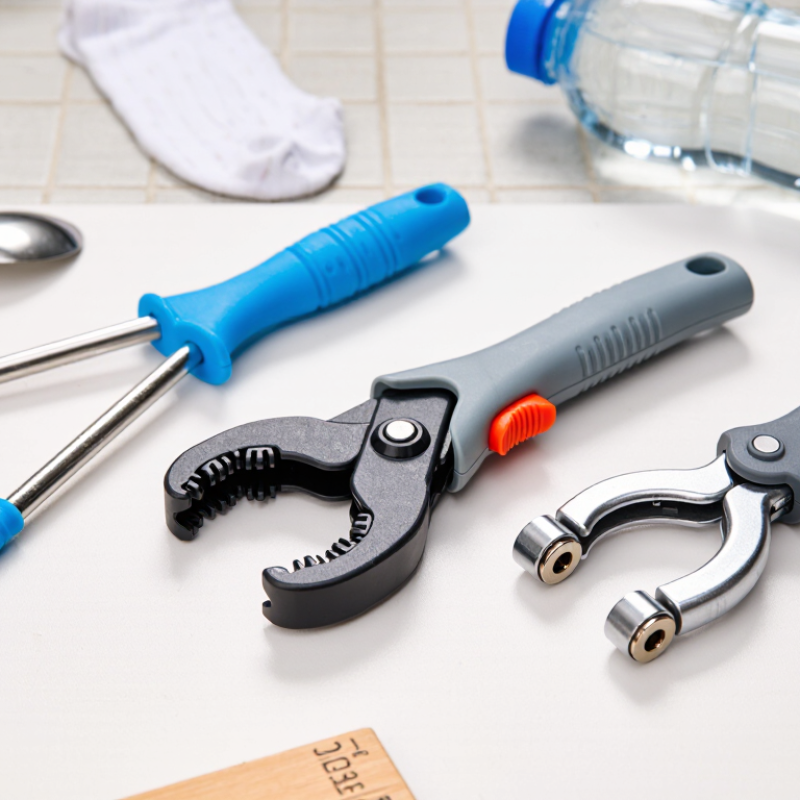
Reacher grabber tools are lightweight extension devices that help users pick up objects without bending, stretching, or climbing. They usually have a handle, a long shaft, a trigger, and gripping jaws. Some models include a small magnet or rotating head for extra control. I have found them useful for retrieving socks, cans, papers, and dropped keys from the floor.
The mechanism is simple. When you squeeze the trigger, an internal cable moves the jaws. The jaws close around the object and release when the trigger is loosened. A textured rubber surface improves grip, especially on smooth items. Some tools use a locking trigger, which reduces hand pressure during longer tasks. However, the grip may weaken with heavy, wet, or oddly shaped objects. That limitation is easy to overlook.
Choose a shaft length that matches your reach and storage space. A very long tool can feel unstable in narrow rooms. Check whether the handle fits comfortably before regular use. For fragile objects, approach slowly and keep the jaws level. For heavier items, test the grip close to the ground first. Never use the tool as a walking support. That mistake can cause a sudden loss of balance. Inspect the cable and jaw alignment regularly, because small faults can reduce control before they become obvious.
Choosing a reacher grabber starts with the task, not the longest advertised reach. For floor pickup, select a lightweight model with a narrow, rubber-lined jaw. It should grip coins, clothes, and small packages without crushing them. A rotating head helps when objects lie at awkward angles. For shelves or outdoor work, a longer shaft offers more distance. However, excessive length can reduce control. I once used a long grabber for a small indoor job. It felt awkward and made precise handling harder.
Check the jaw opening and weight capacity before buying. A wide jaw suits bulky items, while fine teeth work better for thin objects. Soft pads protect polished surfaces, but they may slip on wet or oily items. For heavier loads, choose a firm handle and a stronger internal cable. Test the trigger several times. It should move smoothly, without forcing your wrist. Short handles can be easier for dressing or bedside use. This matters for people with limited hand strength.
Comfort also depends on storage and cleaning. A folding shaft saves space, but its hinge must lock securely. Look for clear load guidance and replaceable grip pads when available. Avoid lifting hot, sharp, or unstable objects with any grabber. It is not a substitute for safe body positioning. Before regular use, test it with a light object on the floor. Small trials reveal balance problems quickly. My own selection mistakes taught me to value control over impressive reach.
A reacher grabber can reduce bending, twisting, and awkward stretching during daily tasks. The World Health Organization reported in 2022 that 1.71 billion people live with musculoskeletal conditions. This makes simple ergonomic habits worth practicing. Before use, inspect the handle, cable, jaw pads, and locking mechanism. Replace the tool if the cable feels loose or the jaws close unevenly. Small faults matter.
Stand with both feet stable and keep the object within easy reach. Adjust the jaw opening before lifting, not while carrying. Squeeze the handle slowly until the jaws grip firmly. Test the tool with a light object first. Never begin with glass, hot items, sharp materials, or unstable loads. A reacher is not a lifting substitute.
The U.S. Bureau of Labor Statistics’ 2023 injury tables continued to list overexertion and bodily reaction among leading workplace injury events. That supports careful handling, even at home.
Keep your wrist straight and your shoulder relaxed. Move your whole body instead of pulling from one arm. I sometimes grip too hard when an object slips. That habit increases fatigue. Pause, reset the angle, and try again. Use the shortest safe reach. A little slower is usually safer.
A reacher grabber extends your hand without forcing you to bend, stretch, or climb. Before using it, inspect the handle, trigger, shaft, and gripping jaws. Look for cracks, loose screws, or a sticking cable. Test the jaws over an empty area. They should open and close smoothly. Choose a tool with a comfortable grip and a length suited to your reach. Keep the floor dry and remove obstacles before picking anything up.
Stand with both feet stable. Hold the shaft near your side, not across your body. Squeeze the trigger slowly while guiding the jaws around the object. Center the object between the gripping tips. Release the trigger gently, then lift with your arm rather than twisting your back. For small items, use the suction or magnet attachment only when appropriate. Never lift hot, sharp, unstable, or overly heavy objects. Keep your fingers away from the closing jaws.
◆ Practice with a soft cloth first. Then try a lightweight container. I sometimes grip an object too close to its edge, and it slips. Repositioning works better than squeezing harder. If the handle feels strained, stop immediately. Wipe the jaws after use, especially when they touch dust or moisture. Store the tool fully closed and away from children. A reacher improves access, but it cannot replace a stable ladder or assistance for heavy loads.
A reacher grabber works best when its moving parts stay clean and dry. After use, wipe the handle and shaft with a soft, damp cloth. Remove hair, dust, and food particles from the gripping jaws. A small brush can reach narrow hinges. Avoid soaking the tool unless its care instructions allow it. Water trapped inside the shaft may cause rust or a stiff cable.
For hygiene, use mild soap on washable surfaces, then rinse lightly and dry completely. Do not apply strong solvents to rubber tips or plastic parts. They may become brittle. Check the jaws before storage. They should close evenly and hold an object without slipping. Test the release lever several times. It should move smoothly, without grinding or sudden resistance. A tiny amount of suitable lubricant may help metal joints, but excess oil attracts dust.
Store the grabber in a dry drawer or hang it vertically away from heat. Keep the jaws slightly open if the tool has a spring mechanism. Constant pressure can weaken the spring over time. I once left one beside a damp sink, and the cable later felt rough. That was avoidable. Inspect the cable, screws, grip, and rubber pads each month. Replace damaged parts instead of forcing the tool to work. Small cracks can become failure points during a difficult reach.
It is a lightweight extension device for picking up objects without bending or climbing. It usually has a handle, shaft, trigger, and gripping jaws.
Squeezing the trigger pulls an internal cable. The cable closes the jaws around an object. Releasing the trigger opens them again.
It can retrieve socks, cans, papers, and dropped keys from the floor. A small magnet may help with certain metal items. Do not expect perfect control.
Select a shaft that matches your reach and storage space. A very long tool may feel unstable in a narrow room. Shorter is often easier.
Inspect the handle, cable, jaw pads, and locking mechanism before use. Replace it if the cable feels loose or the jaws close unevenly. Small faults matter.
Stand with both feet stable and keep the object nearby. Adjust the jaw opening before lifting. Grip slowly, and test with a light object first.
Use extra care with heavy, wet, fragile, or oddly shaped objects. Test the grip close to the ground. Never start with glass, hot items, or sharp materials.
Never use the reacher as walking support. It may slip and cause a sudden loss of balance. I sometimes grip too hard when an object slips. That increases hand fatigue.
Keep your wrist straight and shoulder relaxed. Move your body instead of pulling with one arm. Pause, reset the angle, and try again. Slower can be safer.
Reacher grabber tools are lightweight devices with a handle, trigger, shaft, and gripping jaws that help users pick up, move, or retrieve items without excessive bending, stretching, or climbing. This guide explains how to choose the right model for tasks such as reaching lightweight objects, handling clothing, or accessing high and low areas. It also covers how to inspect the tool, adjust its grip and length, and prepare a safe working space before use.
Readers will learn how to use a reacher grabber tool step by step: hold it securely, position the jaws around the object, squeeze the trigger gradually, and lift or move the item with controlled motion. The guide also highlights safe handling practices, weight limits, and situations that require extra caution. Finally, it explains how to clean the jaws and handle, check for loose or damaged parts, store the tool properly, and maintain smooth operation over time.

Aura Medical