Choosing a power lift chair can change how someone rests, stands, and moves around the home. It may support older adults, people recovering from injury, or anyone who finds standard recliners difficult to use. But comfort is only one part of the decision. The chair’s lifting motion, seat depth, weight capacity, fabric, and control layout all deserve careful attention.
If you are asking, “what are the benefits of a power lift chair,” the answer includes more than easier standing. A well-fitted model can reduce strain during transfers, provide adjustable sitting positions, and encourage safer daily routines. Some chairs offer padded armrests, heat, massage, and independent footrest controls. These features can feel helpful after a long day, especially when the remote is simple to reach.
Small details matter.
However, a power lift chair is not automatically suitable for everyone. A model that feels supportive in a showroom may feel too narrow after several hours at home. Power cords can also create trip hazards if they are poorly placed. Reliable guidance comes from checking manufacturer specifications and discussing individual mobility needs with a qualified healthcare professional. User reviews may reveal practical issues, but they should not replace expert advice. This guide examines seven potential benefits while acknowledging the limitations, maintenance needs, and fitting concerns that are sometimes overlooked. The best choice should support real routines, not merely look comfortable in a product photograph.
What Is a Power Lift Chair and How Does It Work?
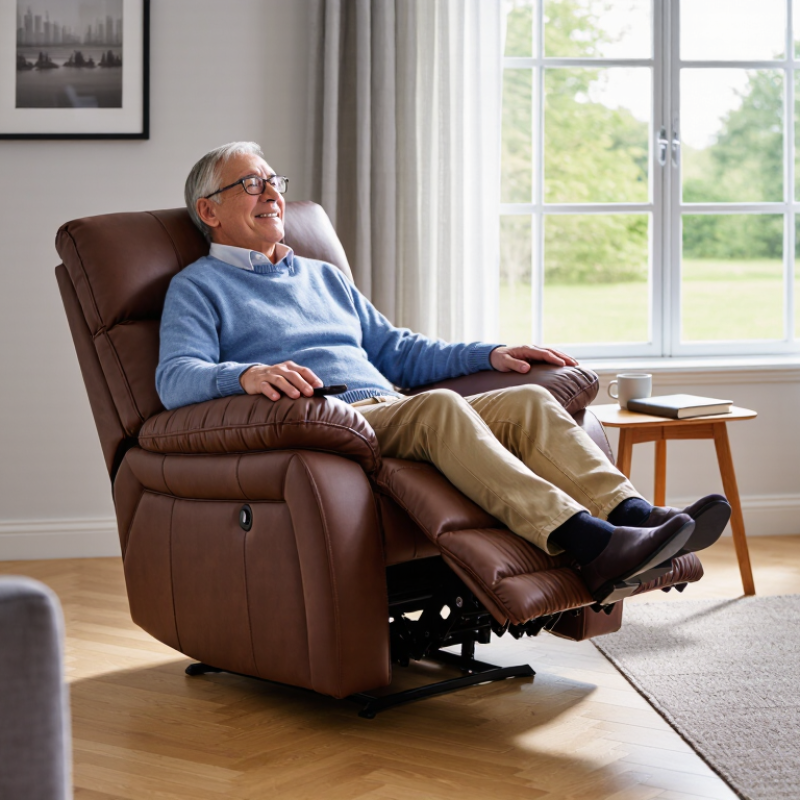
A power lift chair is a powered recliner designed to support safer sitting and standing. Its electric motor moves the backrest, footrest, and seat base through a handheld control. The seat tilts forward and rises gradually, reducing the effort needed from the knees, hips, and lower back. It is not a medical cure. Proper fitting still matters.
The design offers seven practical benefits: easier standing, controlled sitting, adjustable leg elevation, reclining comfort, reduced joint strain, better rest, and greater home independence. The Centers for Disease Control and Prevention reports that falls affect more than one in four adults aged 65 and older each year. A lift chair cannot prevent every fall, but its stable lifting motion may reduce risky twisting or hurried pushing. Small details matter. The chair should stay on a level surface, and the user should keep the remote within reach.
The World Health Organization expects one in six people worldwide to be aged 60 or older by 2030. Meanwhile, AARP’s 2021 Home and Community Preferences Survey found that 77% of adults aged 50 and above want to remain in their current homes. This explains the chair’s appeal: it supports everyday routines without requiring a major room renovation. Some users may still need walking aids or caregiver assistance. A professional assessment can check seat height, weight capacity, transfer technique, and room clearance. Comfort is useful, but safe movement comes first.
What Are the 7 Best Benefits of a Power Lift Chair?
A power lift chair uses an electric motor to tilt and raise the seat, helping a user move more easily between sitting and standing. The chart shows a relative mechanism-support score from 0 to 10, based on how directly common lift-chair functions support each potential benefit. It is not a clinical outcome or user survey.
Practical benefits may vary according to chair design, user mobility, body size, transfer technique, and individual medical needs. A power lift chair should not replace professional mobility or fall-prevention advice.
How Does a Lift Chair Improve Sitting and Standing Safety?
A power lift chair can make sitting and standing more predictable, especially for older adults or people with weak knees.
Its motor gently tilts and raises the seat, reducing the need to push hard from the armrests. That controlled movement may lower the risk of sudden balance loss. It can also ease pressure on the hips, knees, and lower back. The biggest benefit is safer transfers. Confidence matters. Still, the chair is not foolproof.
Place the chair on a level floor with a clear walking path.
Keep cords away from feet, canes, and walkers. Sit fully back before reclining, and keep fingers away from moving joints. Use the remote slowly. Stop if the chair jerks, sounds unusual, or catches clothing. When rising, wait until both feet touch the floor. Pause before walking. A therapist may recommend practicing transfers with a caregiver nearby, especially after surgery or a fall.
Seven practical benefits include safer transfers, easier repositioning, supported leg elevation, reduced sitting strain, steadier posture, rest during recovery, and greater independence.
However, comfort can hide poor positioning. A cushion may slide, or the footrest may encourage sleeping without enough support. Check posture, skin, and swelling regularly. I would not assume the chair solves every mobility issue. Follow the instructions, and ask a clinician or therapist to review its use after dizziness, severe weakness, or repeated near-falls. Small adjustments often matter more than extra features.
Which Mobility and Comfort Benefits Does a Lift Chair Provide?
What Are the 7 Best Benefits of a Power Lift Chair?
Which Mobility and Comfort Benefits Does a Lift Chair Provide?
A power lift chair can support safer, easier daily movement. Its lifting mechanism raises the seat gradually, helping users stand with less knee and hip strain. It also lowers the body smoothly, reducing sudden drops. Reclining can support rest, leg elevation, and more comfortable reading or television time.
These are practical benefits, not magic.
A poor fit may create new pressure points.
The CDC reports that about 27% of U.S. adults have a disability, with mobility disability among the most common types. The CDC also states that more than one in four adults aged 65 and older falls each year. A lift chair cannot prevent every fall. However, controlled transfers may reduce risky pushing from low furniture. The chair can also promote independence, improve sitting comfort, support circulation through leg elevation, and reduce caregiver lifting demands. Some users may sleep poorly in it, though, especially without clinical guidance.
Tips:
Measure the user’s height, hip width, and leg length before choosing a chair. The feet should rest flat when seated. The knees should stay near a right angle. Keep pathways clear, and place the remote within easy reach. Ask a physiotherapist or occupational therapist to assess transfer needs. The National Institute on Aging recommends matching assistive devices to individual abilities, home layout, and health conditions. That step is often overlooked.
How Can a Power Lift Chair Support Daily Health Needs?
A power lift chair can support daily health needs by making sitting and standing less demanding. With a handheld control, the chair raises its front gradually, helping users move from sitting to standing. This feature may reduce strain on the knees, hips, and lower back during repeated transfers. It can help after a tiring walk or when balance feels less reliable. Small changes matter. However, a lift mechanism is not a cure for weakness or dizziness. A healthcare professional should assess persistent mobility problems.
Reclining positions let users change posture while reading, resting, or recovering from ordinary fatigue. Elevating the legs may feel comfortable after hours of standing, although it should not replace treatment for swelling or poor circulation.
Firm cushioning and adjustable support can encourage better posture. Keep both feet clear of obstacles. Use slow movements. Users should test the control, seat height, and footrest with supervision if falls are a concern. A chair that feels comfortable for ten minutes may not support an entire afternoon.
Daily safety also depends on placement. Set the chair on a level floor, leave a clear path, and keep the remote within reach. Avoid loose rugs near the base. Caregivers should check whether the user can operate the controls and exit safely during a power interruption. Individual needs differ, so an occupational therapist or clinician can help match the chair to height, weight, transfer ability, and posture. The overlooked detail is patience: rushing the lift cycle can create more instability, not less.
What Features Should You Consider Before Choosing a Lift Chair?
A power lift chair can make standing safer and resting more comfortable. However, its features matter more than its appearance. Check the lifting mechanism first. It should rise smoothly, without sudden stops or excessive noise. A stable base is essential, especially when transferring from the chair to a walker. Confirm the weight capacity and compare it with the user’s actual needs.
Measure carefully. The seat should support the lower back, while the feet should rest naturally on the floor when seated. A chair that is too deep may cause slouching. One that is too narrow can restrict movement. Test the reclining positions, including reading, napping, and reaching a nearby table. Simple controls with large buttons help users who have limited hand strength or poor vision. Keep the remote within easy reach.
Look for breathable, easy-clean upholstery and removable cushions. A battery backup can help during a power interruption, but it should not replace regular safety checks. Ask about motor durability, cleaning instructions, delivery access, and repair support. A longer warranty sounds helpful, yet its coverage may exclude important parts. Read the details. A common mistake is choosing a soft chair without checking seat height or room clearance. Comfort can change after several weeks, so honest fitting advice from a qualified clinician or seating specialist is worth considering.
What Are the 7 Best Benefits of a Power Lift Chair? - What Features Should You Consider Before Choosing a Lift Chair?
| No. |
Key Benefit |
How It Helps Users |
Feature to Consider |
Practical Selection Guidance |
| 1 |
Easier Standing and Sitting |
The powered lifting mechanism tilts and raises the seat, reducing the effort needed to stand or sit. |
Lift range and motor performance |
Choose a smooth, stable lift motion that matches the user's height, weight, and mobility needs. |
| 2 |
Improved Comfort and Relaxation |
Adjustable reclining positions can support comfortable reading, watching television, resting, or sleeping. |
Recline angle and position control |
Look for independent or multi-position controls and a footrest that extends without excessive pressure. |
| 3 |
Reduced Joint and Muscle Strain |
The chair may reduce repeated pushing, pulling, and bending for people with limited strength or painful joints. |
Seat height, depth, and cushioning |
When seated, feet should rest comfortably on the floor and knees should remain near a right angle. |
| 4 |
Greater Independence |
Users can change position and stand with less assistance from family members or caregivers. |
Simple hand control and emergency operation |
Select large, clearly labeled buttons; consider battery backup for temporary power interruptions. |
| 5 |
Better Leg Elevation |
Raising the legs can provide a more comfortable resting position and help reduce the feeling of tired legs after prolonged sitting. |
Footrest length and leg support |
The footrest should support most of the lower legs without leaving the heels unsupported. |
| 6 |
Support for Daily Recovery |
A stable reclining chair can provide a convenient place for rest following everyday activity or certain medical procedures. |
Padding, lumbar support, and upholstery |
Prioritize supportive cushioning, breathable or easy-clean fabric, and removable covers when available. |
| 7 |
Enhanced Safety and Stability |
A stable frame, controlled movement, and suitable clearance can reduce the risk of slips or awkward transfers. |
Weight capacity, base stability, and clearance |
Verify the rated capacity, allow space for full recline, and keep the chair away from walls and walking paths. |
Before Choosing a Lift Chair:
Measure the user and the available room, compare the chair's seat dimensions and weight capacity, check the reclined length, review the return and warranty terms, and consult a healthcare professional when the chair is needed for a specific medical condition.
Conclusion
A power lift chair is a motorized recliner designed to help users move smoothly between sitting, reclining, and standing. By gently raising and tilting the seat, it can reduce the effort required to get up and may improve safety for people with limited strength, balance, or mobility. When asking, “what are the benefits of a power lift chair,” it is important to consider both support and everyday comfort. These chairs can provide adjustable positioning for reading, resting, watching television, or taking a short nap while reducing pressure on the back, hips, and legs.
A lift chair may also support daily health needs by encouraging comfortable posture, easier leg elevation, and more independent movement around the home. Before choosing one, consider the motor’s smoothness, weight capacity, chair size, padding, reclining angles, control simplicity, safety features, and ease of cleaning. Selecting the right design can help ensure that the chair fits the user’s body, room, and daily routine.

 Aura Medical