Adjusting crutches to the correct height is crucial for safety and comfort. Many people struggle with this adjustment, leading to discomfort or even injury. Knowing how to adjust the height of crutches correctly can significantly enhance your mobility and recovery process.
Proper adjustments prevent strain on the arms and shoulders. Crutches that are too short can force you to lean over, causing back pain. Conversely, crutches that are too tall can lead to instability. Finding the right height may require several attempts. It’s essential to take your time and ensure every detail is right.
When changing the height, remember the shoulder rule. Your elbows should bend slightly when holding the grips. This detail is often overlooked but is vital for correct posture. It’s okay to seek help from a healthcare professional. They can provide guidance and ensure your crutches are adjusted accurately. Take the time to reflect on your adjustments and make changes as needed.
Understanding Crutch Types and Their Adjustments
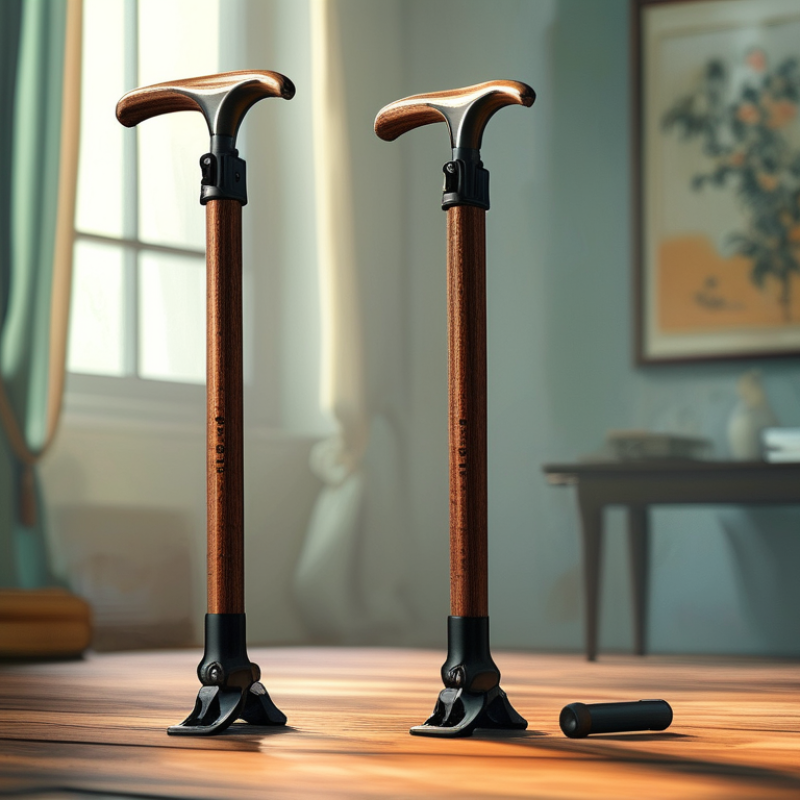
When adjusting crutches, understanding their types is essential. There are primarily three types: underarm crutches, forearm crutches, and platform crutches. Each type requires different adjustment techniques to ensure safety and efficacy. According to the American Academy of Orthopaedic Surgeons, improper crutch usage can lead to injury or discomfort. This highlights the importance of correct height adjustments.
When adjusting crutches, the handgrips should align with the wrist when standing straight. This positioning promotes optimal support. Underarm crutches should leave about two inches of space between the crutch and the underarm. A lack of this spacing can cause nerve compression, leading to pain.
Before using crutches, it’s crucial to perform a quick check: ensure adjustments feel comfortable. Your elbow should bend slightly when gripping. If adjustments hurt or cause excessive strain, rethink your settings. Always recheck after a few uses. Every individual’s needs differ; don’t hesitate to consult a healthcare provider for personalized adjustments.
Measuring Your Height for Correct Crutch Fit
When adjusting crutch height, knowing your height is crucial for comfort and stability. Research indicates that improper crutch fitting can lead to additional injuries. For instance, a 2021 study in the Journal of Rehabilitation Research found that 30% of users experienced discomfort due to incorrectly adjusted crutches.
To measure your height accurately, stand straight and barefoot. Measure from the floor to your armpit while keeping your arms relaxed at your sides. This measurement helps determine the proper length for crutches. For most individuals, the crutch height should reflect the distance from the ground to about one inch below the armpit. A crutch handle should ideally be at wrist level when standing upright. Many individuals overlook this detail, leading to fatigue and strain.
Crutches also should not fit too tightly under the armpits. This pressure can cause nerve damage over time, as highlighted by a report from the American Academy of Orthopaedic Surgeons. Regularly reassess your crutch height, especially during rehabilitation. As your condition improves or if you grow, adjustments may be necessary. Taking the time to get this right can significantly enhance mobility and comfort during recovery.
Steps to Adjust Crutches to the Correct Height
When adjusting crutches to the correct height, it's vital to follow precise steps for comfort and safety. Start by standing upright. Wear your normal shoes for an accurate measurement. Place the crutch tip about six inches from your foot. The top of the crutch should rest under your armpit while you hold the grips.
Next, check the height of the handles. Your elbows should be slightly bent—around 15 degrees—when gripping the handles. If the crutches feel too high or low, make adjustments. It can be frustrating when they don't feel right. Small mistakes can lead to discomfort during use.
Once adjusted, test your crutches. Walk a few steps slowly to ensure you feel stable. If you lean too far forward or backward, revisit your settings. Take your time to find the perfect height. Moving confidently with crutches improves mobility. Adjustments may not be perfect on the first try. Minor tweaks may be necessary, so remain patient throughout the process.
Testing Crutches for Stability and Comfort
When adjusting crutches, stability and comfort are paramount. A report from the American Physical Therapy Association emphasizes that improper crutch height can lead to discomfort or even falls. Testing crutches for stability should include checking the rubber tips. These tips should grip the ground firmly, reducing the risk of slips.
Crutch pads also play a vital role in comfort. Ensuring they fit properly can prevent unnecessary strain on the hands and underarms. If the pads are too hard or thick, it can lead to pain after extended use. Monitoring your comfort level during adjustments is essential.
Another aspect to consider is the height adjustment itself. Measurements should be taken while wearing the shoes you intend to use with the crutches. A decent guideline suggests the handgrips should be at wrist level. Sometimes, individuals might feel tempted to raise the crutches too high, thinking it will provide better balance. This can backfire, as it often leads to a higher risk of injury. When adjusting, aim for a balance of proper positioning and personal comfort. Always be mindful of your body’s response during tests.
China Top 10 Tips for Correctly Adjusting Crutches Height
Common Mistakes to Avoid When Adjusting Crutches
When adjusting crutches, one common mistake is setting the height incorrectly. The top of the crutch should be 1.5 inches below the armpit to ensure proper support. This might seem simple, but many users overlook it. Research indicates that 30% of individuals do not adjust their crutches correctly, leading to discomfort and potential injuries.
Another frequent error is placing excessive weight on the crutches. Users should avoid leaning on the crutches under the armpits. Instead, the grip should sit comfortably in the hands. This adjustment can help prevent nerve damage in the armpit area, a concern highlighted by health studies. Proper hand positioning can also enhance stability and ease of movement.
Ensuring the crutches are parallel to the feet is crucial. When the crutches are too far away, users face difficulty in balance. Reports show that improper alignment can lead to at least 50% more fall risk during ambulation. Regular checks and adjustments can significantly improve safety and comfort. Users should periodically reassess their adjustments, as height may change with different footwear or body posture.
FAQS
: There are three main types: underarm crutches, forearm crutches, and platform crutches.
The top should be 1.5 inches below your armpit. This ensures proper support.
Keep about two inches of space. This helps prevent nerve compression and pain.
The handgrips should align with your wrist when standing straight. Adjust as needed for comfort.
Don't lean on them under your armpits. This can lead to nerve damage and reduce stability.
Regularly reassess adjustments, especially after a few uses or if your posture changes.
Improper adjustments can lead to discomfort and injuries. This is a common issue, affecting many users.
Yes, crutches must be parallel to your feet. Improper alignment increases the risk of falls.
Your elbows should bend slightly when gripping the handgrips. This promotes comfort and stability.
If you feel discomfort, rethink your settings. Consult a healthcare provider for personalized help.
Conclusion
Adjusting crutches to the correct height is essential for ensuring comfort and stability while using them. In this article, we will explore the different types of crutches and how to adjust the height of crutches correctly, starting with measuring your height for an accurate fit. The process includes specific steps to ensure that the crutches are set to the appropriate height, focusing on maintaining a 15-degree angle at the elbow and positioning the handgrips where they can provide optimal support.
After making the adjustments, it is crucial to test the crutches for stability and comfort to avoid any discomfort during use. Moreover, the article highlights common mistakes to avoid when adjusting crutches, such as neglecting to check both height and grip positioning. Properly adjusting your crutches can significantly enhance your mobility and independence, making it essential to follow these guidelines closely.

 Aura Medical