7 Tips Why Are Bed Rails Dangerous for Some Seniors?

Time:2026-10-02 Author:Mason
0%

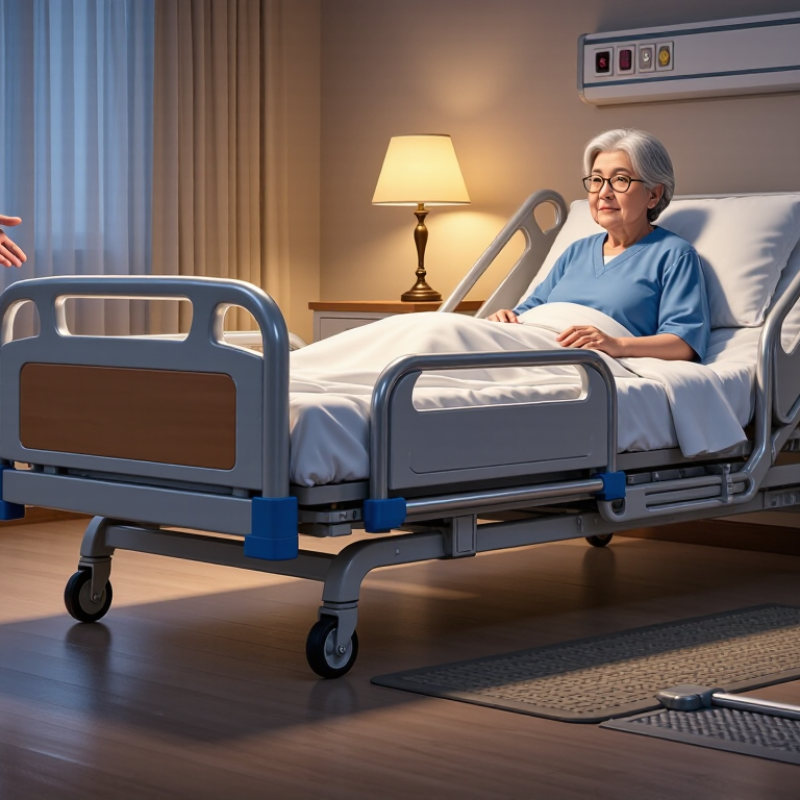
For families caring for older adults, the question “why are bed rails dangerous for some seniors” deserves careful attention. Bed rails may look protective beside a hospital-style mattress. Yet they can create narrow gaps, encourage climbing, or trap a confused person between the rail and bed. A person with weak balance may fall while trying to climb over it. That fall can be worse than sliding from a low, open bed.

Geriatrician and fall-prevention specialist Dr. Rein Tideiksaar has warned, “A bed rail may prevent a fall, but it can also create a more dangerous situation.” His observation reflects real bedside concerns. A senior with dementia may not understand the rail’s purpose. Someone with arthritis may grip it suddenly and twist a shoulder. Night-time urgency can make every second matter. The rail is not automatically safe.

This guide examines seven overlooked risks, including entrapment, climbing attempts, panic, and delayed assistance. It also considers safer choices, such as lowering the bed, improving lighting, using floor mats, and reviewing medications with a clinician. These steps are not perfect. I have seen how one solution can create another problem, especially when care plans are copied without checking the person’s strength, cognition, and nighttime habits. A rail may help one senior and harm another. That difference matters. Care decisions should be individualized, documented, and reviewed regularly by qualified healthcare professionals.
7 Tips Why Are Bed Rails Dangerous for Some Seniors?

Explain the FDA’s 901 Bed-Entrapment Reports and 531 Related Deaths

7 Tips: Why Are Bed Rails Dangerous for Some Seniors?

The FDA has received 901 reports involving bed-rail entrapment, including 531 related deaths. These reports describe people trapped between the mattress, rail, and bed frame. Some were unable to breathe or call for help. The numbers are not just statistics. They represent frightening events in bedrooms, hospitals, and care settings.

Tip 1: Check whether the senior has confusion, weakness, or poor mobility. Tip 2: Measure every gap around the rail and mattress. Tip 3: Inspect the rail after repositioning the bed. Tip 4: Never assume a rail prevents falls. It may encourage climbing. Tip 5: Ask a nurse, doctor, or occupational therapist to assess the setup. Tip 6: Consider lower beds, floor mats, motion alerts, or closer supervision. Tip 7: Recheck the arrangement after illness, weight loss, or a new medication.

A rail can look secure while creating a narrow, dangerous opening. Soft bedding may also shift overnight. That detail is easy to miss. Caregivers should watch how the person moves, not only how the equipment appears. A senior who previously used rails safely may later develop tremors, weakness, or nighttime confusion. One uncomfortable truth remains: even careful families can overlook an entrapment risk. Regular checks, clear documentation, and professional guidance matter more than relying on the rail alone.

FDA data cited in the report recorded 901 bed-entrapment reports involving seniors, including 531 related deaths. The figures show the serious potential harm associated with bed rails and other bedside equipment; they do not indicate that every report resulted in a death.

Identify High-Risk Seniors Using Dementia, Weakness, and Mobility Data

7 Tips Why Are Bed Rails Dangerous for Some Seniors?

Bed rails may protect some seniors, but they can increase danger for others. Risk depends on dementia, muscle weakness, and mobility. A person with dementia may climb over the rail, become frightened, or become trapped between the mattress and frame. Confusion often worsens at night. A rail is not automatically safer.

Tip 1: Check cognition, not just age.

Ask whether the senior understands the rail and can follow simple instructions. Note wandering, nighttime agitation, and recent confusion.

Tip 2: Measure physical strength.

Weak legs, poor grip, or limited shoulder movement can make climbing attempts especially hazardous.

Tip 3: Observe transfers.

Can the person sit, stand, and turn without pulling heavily on the rail? Watch real movement, not only conversation.

Tip 4: Review mobility data.

Recent falls, slow walking, wheelchair use, or poor balance can signal higher risk.

Tip 5: Consider the person’s usual habits.

A restless sleeper may repeatedly reach for the rail.

Tip 6: Reassess after illness, medication changes, or hospitalization.

Abilities can change within days.

Tip 7: Use professional assessment before installation.

A nurse, therapist, or physician should examine the bed, mattress gap, floor space, and transfer technique. No checklist is perfect. Families may miss subtle weakness. When uncertainty remains, lower-risk options, such as a low bed, floor mat, better lighting, or increased observation, may deserve discussion.

Map the Four Hazards: Entrapment, Strangulation, Falls, and Restraint

7 Tips: Why Are Bed Rails Dangerous for Some Seniors?

Bed rails can look reassuring beside a narrow bed. Yet they may create four serious hazards:

entrapment
strangulation
falls
restraint

A frail person can slide between the mattress and rail, especially when the mattress shifts. Clothing or a mobility aid may also catch around the rail. Strangulation is uncommon, but the risk becomes real when a neck, arm, or loose fabric enters a gap.

Falls can happen when someone climbs over the rail instead of using the call bell. A confused senior may push harder, lose balance, and land on a hard floor. Rails can also function as restraint, limiting movement without solving the reason for restlessness. That loss of freedom may increase fear, agitation, or unsafe climbing.

1

Tip 1:

Check every gap with the mattress in its usual position.

2

Tip 2:

Ask a nurse, occupational therapist, or physician to assess the person’s strength, vision, and nighttime behavior.

3

Tip 3:

Consider lower beds, floor mats, brighter lighting, or scheduled toileting before adding a rail. Observe changes after installation.

I have seen families focus on preventing a fall while missing entrapment risk. That is an understandable mistake.

Recheck the rail after cleaning, mattress changes, or weight loss. A device that worked last month may not fit safely today.

Use the FDA’s Seven-Zone Gap Test and an Individual Risk Assessment

7 Tips Why Are Bed Rails Dangerous for Some Seniors?

Bed rails can prevent a roll, but they can also trap a person between the mattress and rail. They may encourage climbing, causing a higher fall. A confused senior might grip the rail during a night-time bathroom attempt and lose balance. Some medicines, weak legs, poor eyesight, or dementia can increase this danger. Ask seven practical questions: Can the person move independently? Do they understand the rail? Can they release their grip? Are they likely to climb? Do they have seizures, agitation, or nighttime wandering? Can caregivers respond quickly? Has the person fallen from bed before?

Use the FDA’s seven-zone gap test when checking the complete bed system. Inspect the spaces around the mattress, rail, headboard, and footboard. Look for gaps where a head, neck, chest, or limb could become trapped. Check the bed in its highest and lowest positions. Test it after changing the mattress, bedding, or rail position. Do not rely on appearance. Small gaps can create serious hazards.

An individual risk assessment should be documented and reviewed regularly. A clinician, occupational therapist, or trained care professional can assess transfers, strength, cognition, and sleeping behavior. Try safer alternatives when suitable, such as a low bed, floor mat, better lighting, or motion alerts. A rail may feel protective today, yet become unsafe after illness or medication changes. That detail is easy to miss. Recheck the setup after every significant change.

7 Tips: Why Are Bed Rails Dangerous for Some Seniors? — Use the FDA’s Seven-Zone Gap Test and an Individual Risk Assessment

FDA-Informed Seven-Zone Bed-Rail Entrapment Review and Individual Risk Assessment
Zone Gap Location Primary Hazard Higher-Risk Senior Factors Individual Assessment Question Recommended Safety Response
1 Inside the rail or between rail components Head, neck, chest, abdomen, or limbs may become trapped within the rail structure. Frailty, small body size, reduced strength, confusion, agitation, or involuntary movements. Has the person previously slipped, climbed, leaned, or reached through the rail? Do not use the rail until the complete bed system has been checked with the appropriate entrapment test method.
2 Between the rail and the mattress, including beneath the rail The body may slide into the space and become compressed between the rail and mattress. Poor trunk control, sliding toward the bed edge, weak hip muscles, or inability to reposition independently. Does the mattress remain firmly positioned, or can it shift and create a variable gap? Check the mattress dimensions, compression, firmness, and position in the actual occupied configuration.
3 Between the rail and the mattress platform or bed deck A body part may descend below the mattress edge and become trapped against the bed structure. Weakness, sedation, impaired sensation, nighttime confusion, or repeated attempts to exit the bed. Could the person’s arm, leg, or torso enter the gap during sleep or an attempted transfer? Inspect the rail, deck, mattress, and mounting points together; never evaluate the rail alone.
4 At the ends of the rail, beneath or beside the rail termination The neck, shoulder, arm, or leg may become wedged near the rail end. Restlessness, repeated rolling, involuntary movement, or difficulty understanding bed boundaries. Are the rail ends aligned consistently when the bed is flat, raised, or articulated? Repeat the check in every intended bed position, including the user’s normal sleeping position.
5 Between split rails or between separate rail sections The gap between rail sections can trap the neck, chest, or limbs. Users who move frequently, attempt to climb out, or have limited motor planning. Can the person reach, roll, or slide into the space between separate rail sections? Avoid split-rail arrangements when the person cannot reliably maintain a safe position without assistance.
6 Between the end of the rail and the headboard or footboard A person may become trapped between the rail end and the fixed bed structure. Short stature, sliding down the mattress, confusion, or inability to call for help. Does the gap change when the backrest, knee section, or bed height is adjusted? Test the rail in all operating positions and after normal mattress compression.
7 Between the mattress end and the headboard or footboard The mattress may move, leaving a space where the head, neck, or torso can become trapped. Low body weight, mattress movement, poor positioning, or inability to reposition independently. Does the mattress stay securely against the headboard or footboard during use? Correct mattress fit and positioning before considering any rail; monitor for movement during use.
Important assessment note: Bed rails can support repositioning or provide a handhold, but they can also cause entrapment, falls, climbing injuries, agitation, and reduced freedom of movement. A rail should be selected only after an individualized assessment of mobility, cognition, behavior, medications, nighttime toileting, fall history, skin integrity, and the person’s ability to release themselves from a hazardous position.
Seven-zone test reminder: The FDA’s bed-system safety guidance evaluates the complete bed system—not just the rail—including the mattress, bed frame, deck, headboard, footboard, rail position, and all normal operating configurations. Use the applicable FDA-recognized dimensional test methods and qualified clinical or safety personnel; do not rely on visual inspection alone.

Choose Safer Alternatives and Track Falls, Injuries, and Reassessment Data

Bed rails can look protective, yet they may trap, bruise, or encourage unsafe climbing. The U.S. Food and Drug Administration warns that rails can cause entrapment, strangulation, and serious falls. The risk increases with confusion, weakness, nighttime toileting, or attempts to climb over the rail. A safer plan begins with assessment, not automatic installation.

Consider a low bed, a floor mat, improved lighting, and scheduled toileting. A properly fitted mobility aid may help, but a clinician should assess its use. Keep the call device within reach. Remove loose rugs and clutter. The Centers for Disease Control and Prevention reports that more than one in four adults aged 65 and older falls each year. That figure makes prevention practical, not optional. Still, no alternative works for everyone.

Track each fall with the time, location, footwear, symptoms, and possible trigger. Record bruising, pain, head impact, emergency care, and changes in walking. A simple chart can reveal patterns, such as repeated falls near the bathroom after midnight. Review the record after every event and during scheduled reassessments. The Agency for Healthcare Research and Quality recommends structured fall reporting in care settings. My own checklist would still miss details. Ask the older person what felt unsafe. Reconsider the plan when medication, strength, vision, or cognition changes. A rail should never become a substitute for observation, tailored care, and honest review.

FAQS

What do the 901 entrapment reports and 531 deaths show?

They show that bed-rail entrapment can cause severe injury or death. People became trapped between mattresses, rails, and frames. Some could not breathe or call for help.

Why can bed rails be dangerous for seniors with dementia?

Confusion may lead to climbing, nighttime wandering, or panic. A person may become trapped in a narrow gap. A rail is not automatically safer.

Which physical problems increase entrapment risk?

Weak legs, poor grip, tremors, limited shoulder movement, and poor balance can increase danger. Transfers may become difficult. Watch actual movement, not only conversation.

How should caregivers inspect the bed system?

Check gaps around the mattress, rail, headboard, and footboard. Inspect the bed at different heights. Recheck after changing bedding, mattresses, or rail positions.

What should caregivers observe during transfers?

Watch whether the senior can sit, stand, turn, and release the rail safely. Heavy pulling may signal weakness. Small details matter.

Can a bed rail prevent falls?

It may prevent rolling, but it can also encourage climbing. A higher fall may follow. Never treat the rail as complete protection.

What safer alternatives might families consider?

Discuss a low bed, floor mat, better lighting, motion alerts, or closer supervision. The best choice depends on the person’s needs and room layout.

When should the risk assessment be repeated?

Reassess after illness, weight loss, medication changes, hospitalization, or new confusion. Abilities can change within days. Families may miss subtle weakness.

Who should assess whether a rail is suitable?

Ask a nurse, physician, occupational therapist, or trained care professional. They can review cognition, strength, transfers, gaps, and sleeping behavior. No checklist is perfect.

Conclusion

Why are bed rails dangerous for some seniors? Although they may appear to offer support, bed rails can create serious risks for older adults with dementia, weakness, balance problems, or limited mobility. FDA records describe 901 bed-entrapment reports linked to 531 deaths, highlighting how a person can become trapped between the rail, mattress, or bed frame. Other hazards include strangulation, falls while climbing over the rail, injuries from forced movement, and unintended restraint.

Safer decisions begin with an individual risk assessment that considers cognition, strength, mobility, nighttime behavior, and previous falls. Caregivers should use the FDA’s seven-zone gap test to check for dangerous openings and regularly reassess the bed setup. Depending on the person’s needs, alternatives may include lower beds, floor mats, improved lighting, transfer assistance, or monitoring systems. Keeping accurate records of falls, injuries, near misses, and reassessment findings can help caregivers recognize changing risks and adjust the care plan promptly.

Mason

Mason

Mason is a seasoned marketing professional with a deep expertise in the company's offerings and a passion for driving brand awareness. With a strong background in digital marketing strategies, he has an innate ability to connect with diverse audiences and effectively communicate product benefits.......